Built-in or portable
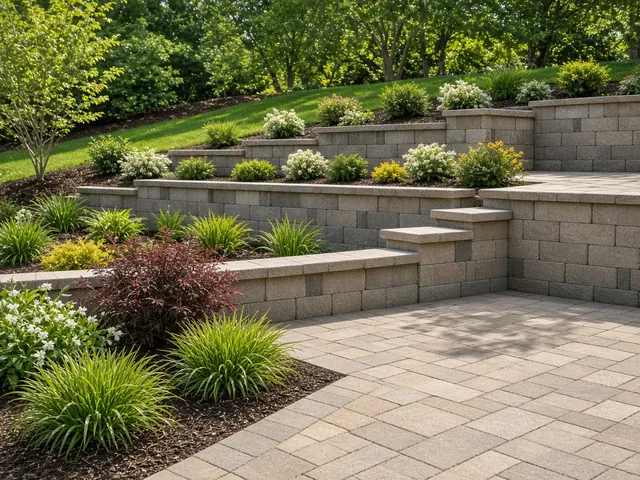
Built-in pits use wall block or stone, with a steel fire ring or a gas burner kit. Portable pits and gas fire tables sit on top of the patio. Gas lines need a licensed installer, and often a permit.
Layout and size
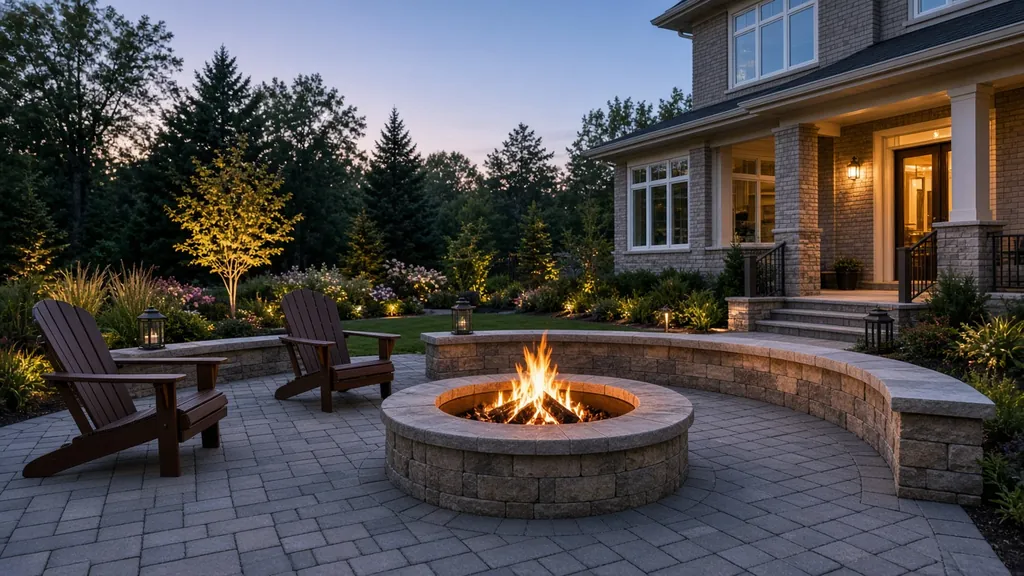
Many backyard pits are 36–44 inches across. Allow room for seating plus a walkway behind it. A circle of roughly 14–18 ft across suits a built-in pit with chairs. A curved seat wall around one side adds permanent seating.
Rules and clearances
Many jurisdictions adopt the International Fire Code, which sets minimum distances from structures for recreational fires, commonly 25 ft, and for portable outdoor fireplaces, 15 ft with exceptions for one- and two-family dwellings. Local amendments, HOA rules and burn bans vary, so check with your fire department before you design. Keep pits away from overhangs, trees and fences.
Materials
- Use a fire-rated steel insert or firebrick lining. Ordinary pavers and wall block can crack or spall with direct heat.
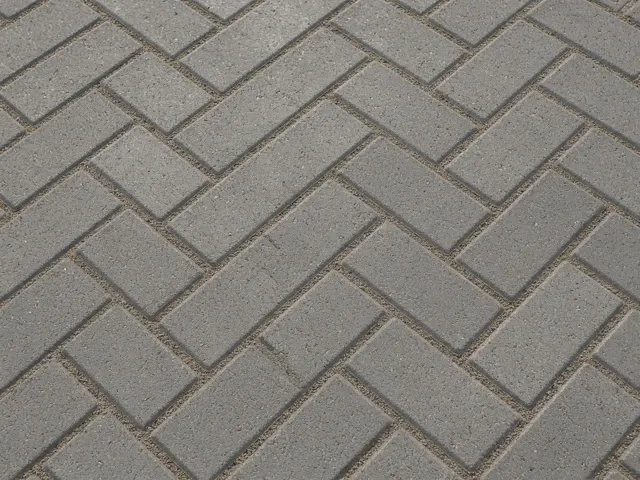
- Use non-combustible paving around the pit.
- Add drainage at the bottom of in-ground pits.
Cost figures are national ranges published by the cited sources, or are labeled illustrative. They are not quotes. Local prices vary by region, access, soil, design and season.
Sources
- UpCodes: International Fire Code 307, recreational fires (accessed November 9, 2026)
- HomeGuide: Retaining wall cost (accessed November 9, 2026)
Frequently asked questions
Can I build a fire pit on pavers?
Yes, with a proper steel or firebrick-lined pit and following the product's instructions. Avoid direct flame on standard pavers.
Gas or wood?
Gas is cleaner and instant but needs a gas line. Wood is cheaper and gives you crackle, but it's subject to burn bans.