Materials
| Surface | Pros | Watch out |
|---|---|---|
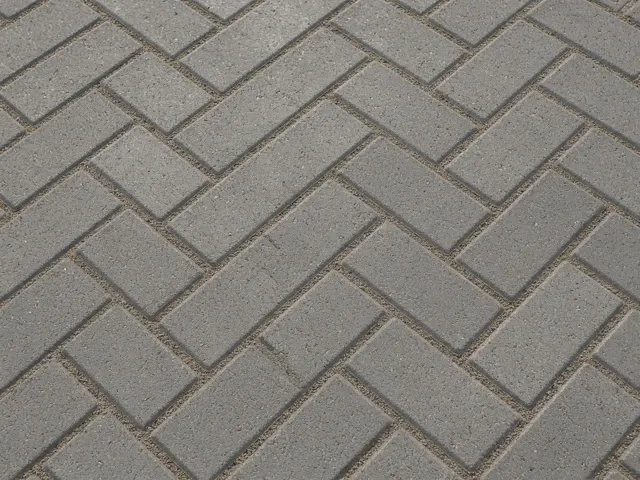
| Concrete pavers (light colors) | Repairable, many textures | Joint sand can wash out without polymeric sand |
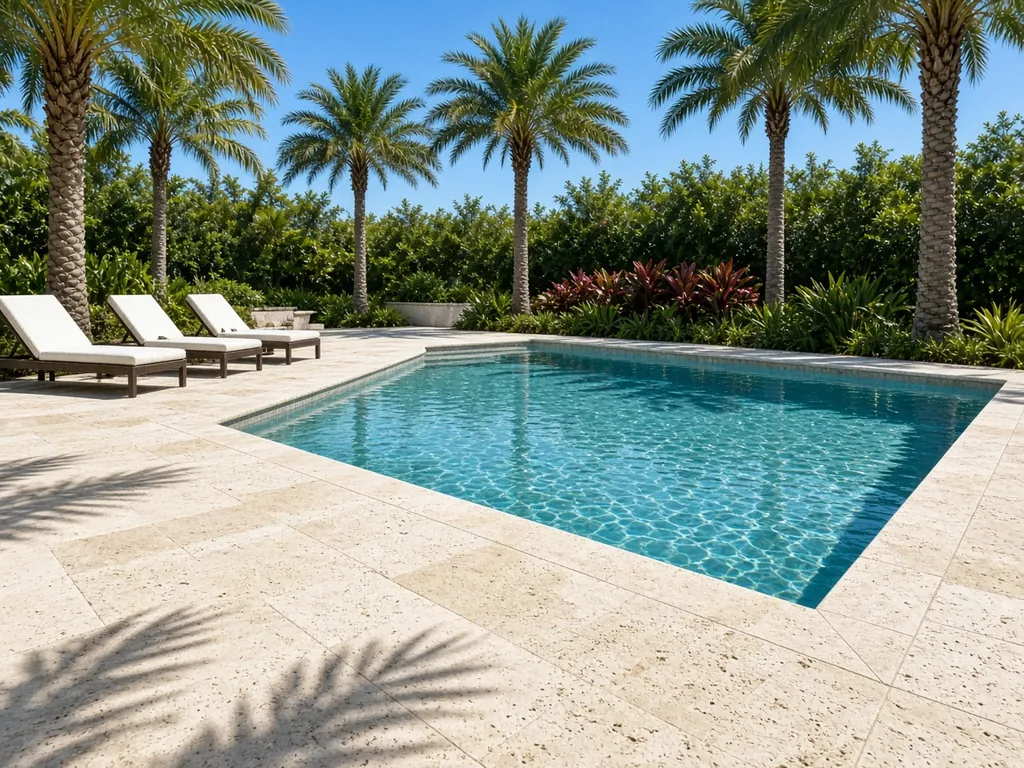
| Travertine | Stays relatively cool, classic look | Porous, so sealing and freeze-thaw suitability matter |
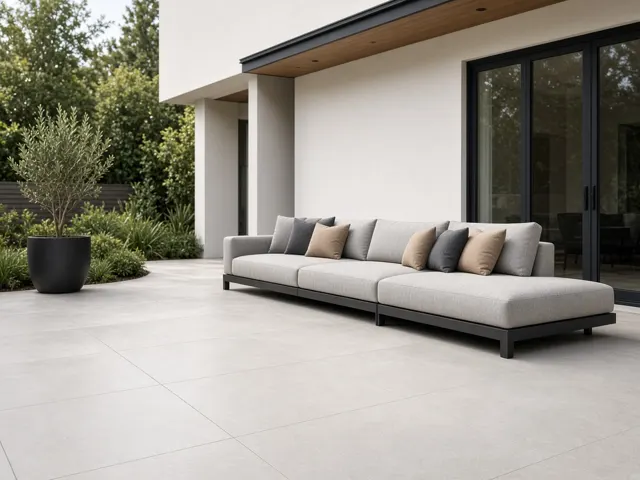
| Porcelain pavers | Stain-resistant, crisp lines | Choose an exterior, slip-rated finish |
| Stamped or broom concrete | Lower cost | Cracks are harder to repair invisibly |
Safety
Choose textured, slip-resistant surfaces and lighter colors that stay cooler. Pool barriers, gates and alarms are governed by local codes. The CPSC's Pool Safely campaign explains layers of protection for children.
Coping and drainage
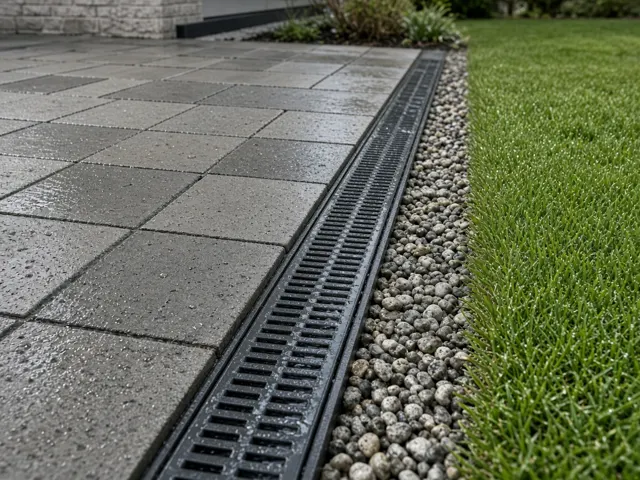
Bullnose coping caps the pool edge. Slope the deck away from the pool, toward drains or lawn, and keep water away from the house foundation as well.
Ask your contractor
- Which surface and finish is rated for wet, barefoot use?
- How is the deck sloped, and where does water go?
- Is the existing deck being removed, or overlaid?
- Who handles barrier and permit requirements?
Cost figures are national ranges published by the cited sources, or are labeled illustrative. They are not quotes. Local prices vary by region, access, soil, design and season.
Sources
- CPSC Pool Safely (accessed November 9, 2026)
- HomeGuide: Paver patio installation cost (accessed November 9, 2026)
Frequently asked questions
Are pavers good around pools?
Yes. Textured concrete pavers, travertine and porcelain are popular because they're slip-resistant and repairable.
Can pavers go over an existing pool deck?
Sometimes, if the slab is sound and heights allow. Thin overlay pavers exist for this. Ask a contractor to assess it.