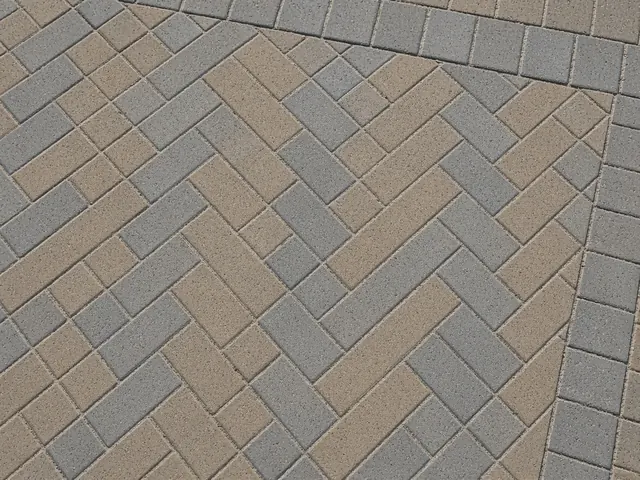
What pavers are
Concrete pavers are factory-made units laid over a compacted aggregate base and a thin bedding layer, with joint sand locking them together. Because units can move slightly independently, a well-built paver patio tolerates minor ground movement and can be lifted and relaid for repairs.
Pros and cons
| Pros | Cons |
|---|---|
| Repairable unit by unit | Weeds and ants can work into joints |
| Wide range of colors, sizes and textures | Joint sand needs topping up over time |
| Joints accommodate small movements | Poor base work leads to settling and ruts |
| Permeable versions available | Permeable systems need a specific, deeper design |
Patterns
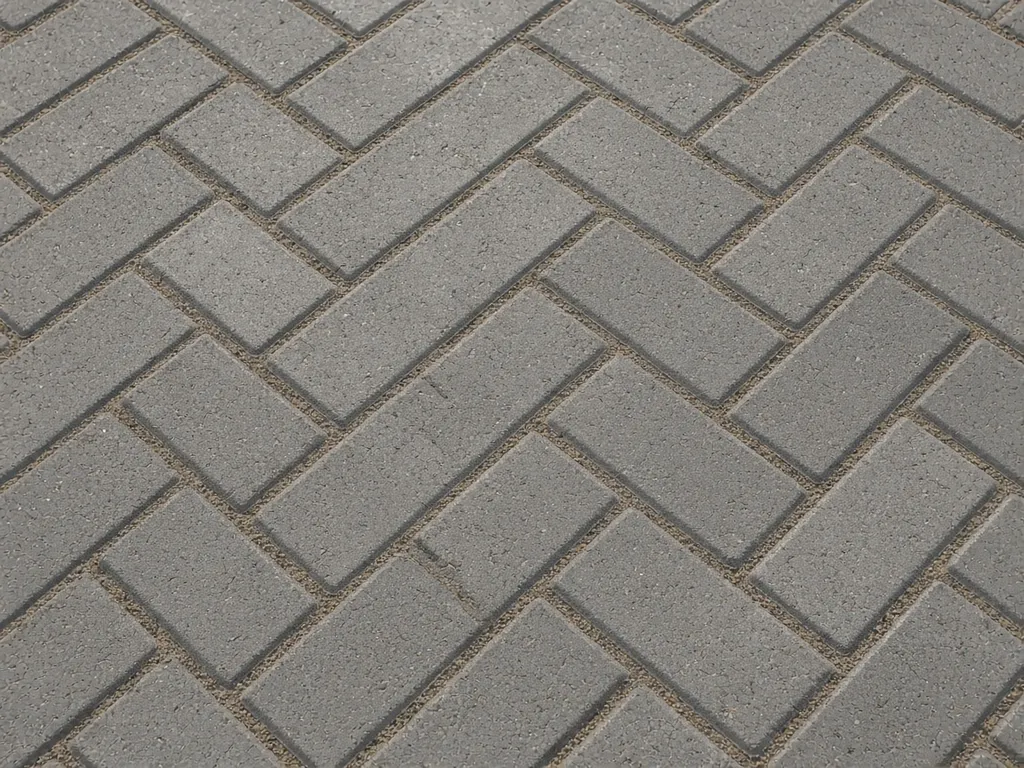
- Herringbone: strong interlock, good where there is turning traffic
- Running bond: simple, directional, visually lengthens a space
- Basketweave: traditional look
- Random/multi-size: natural-stone appearance
How they're built
The typical sequence is excavation, compacted subgrade, compacted aggregate base in layers, a screeded bedding layer, pavers, edge restraint, compaction and joint sand. Details matter; see base and installation. Industry installation guidance is published by the Concrete Masonry & Hardscapes Association, and many manufacturers tie warranties to following it.
Sources
- Concrete Masonry & Hardscapes Association (accessed November 8, 2026)
- OSHA: Crystalline silica (accessed November 8, 2026)
Frequently asked questions
Are pavers better than concrete?
Neither is universally better. See our pavers vs. concrete comparison for the trade-offs.
What is polymeric sand?
Joint sand with binders that harden when wetted, helping resist washout and weeds. Follow the maker's instructions closely to avoid haze.