Wall types
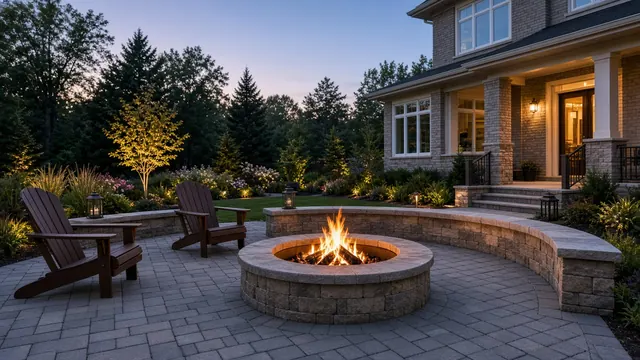
- Seat walls: freestanding walls about 18–20 in high, usually capped
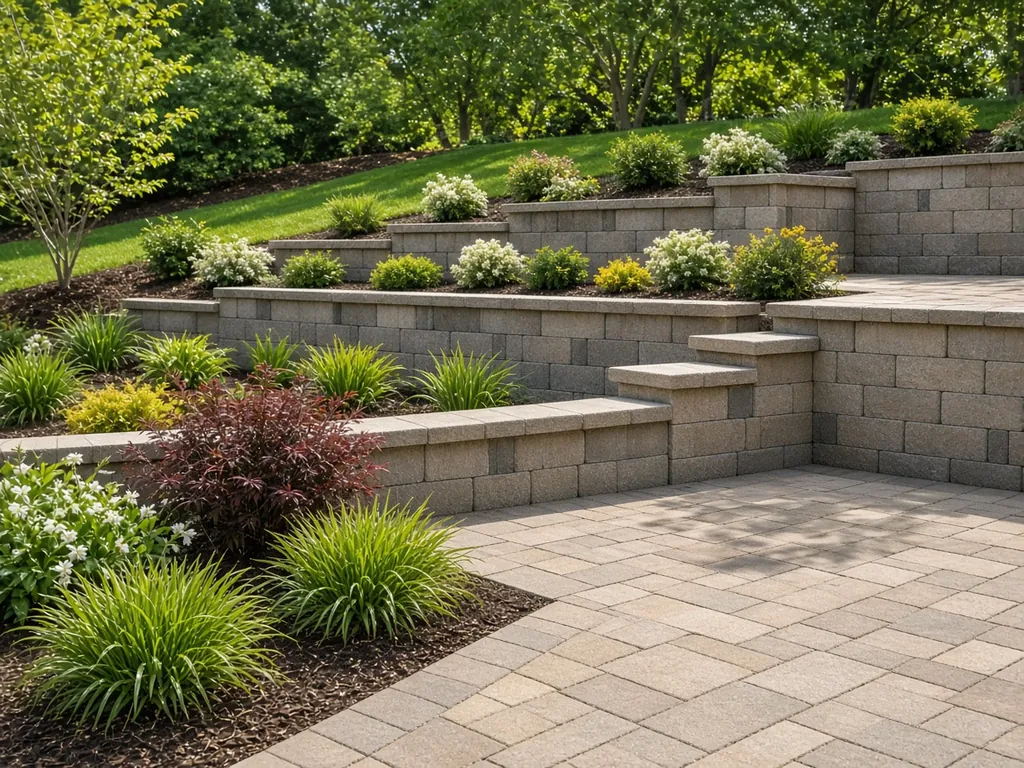
- Segmental retaining walls (SRW): interlocking concrete block, often with geogrid reinforcement on taller walls
- Natural stone: dry-laid or mortared
- Poured concrete: faced or plain
Drainage
Water pressure behind walls causes most failures. Typical details include clean drainage aggregate behind the block, a perforated drain pipe at the base that daylights or connects to an outlet, and a compacted leveling pad.
When engineering is needed
Under the International Residential Code (R404.4), retaining walls that aren't laterally supported at the top and retain more than 48 inches of unbalanced fill must be designed to resist lateral soil loads. Walls carrying surcharges, such as slopes, driveways or structures, may need design at lower heights. Your local building department sets the rules that apply.
Costs
HomeGuide puts retaining walls at about $35–$65 per square foot of wall face including materials and labor, and notes that many contractors have project minimums of around $1,500–$3,000. Engineering and permits add to that.
Cost figures are national ranges published by the cited sources, or are labeled illustrative. They are not quotes. Local prices vary by region, access, soil, design and season.
Sources
- UpCodes: IRC R404.4 Retaining walls (accessed November 9, 2026)
- HomeGuide: Retaining wall cost (accessed November 9, 2026)
Frequently asked questions
How tall should a seat wall be?
Around 18–20 inches including the cap is comfortable for most people.
Do I need a permit for a retaining wall?
It depends on height, location and local rules. Taller walls and walls near structures or property lines often need permits and engineering.